Home › See & Do
Zamora's old town packs 24 Romanesque churches into a walk you can finish before lunch. Beyond the walls: a 100-point wine region, Iberia's largest glacial lake, a canyon on the Portuguese border and the best wolf territory in Western Europe.
The essentials
Three of these are inside the old town walls. Three are day-trips under an hour away. All of them are covered in our ready-made itineraries if you'd rather not plan at all.
One joint ticket — €6 — opens 12 medieval temples in the highest-density Romanesque old town in Europe. Over 150,000 people a year walk it; almost none of them speak English.
Walk it in a day → 02 · THE SKYLINEThe Byzantine dome that defines Zamora's silhouette. Small by cathedral standards, unforgettable inside — and the reason the city calls itself a Romanesque museum with a roof missing.
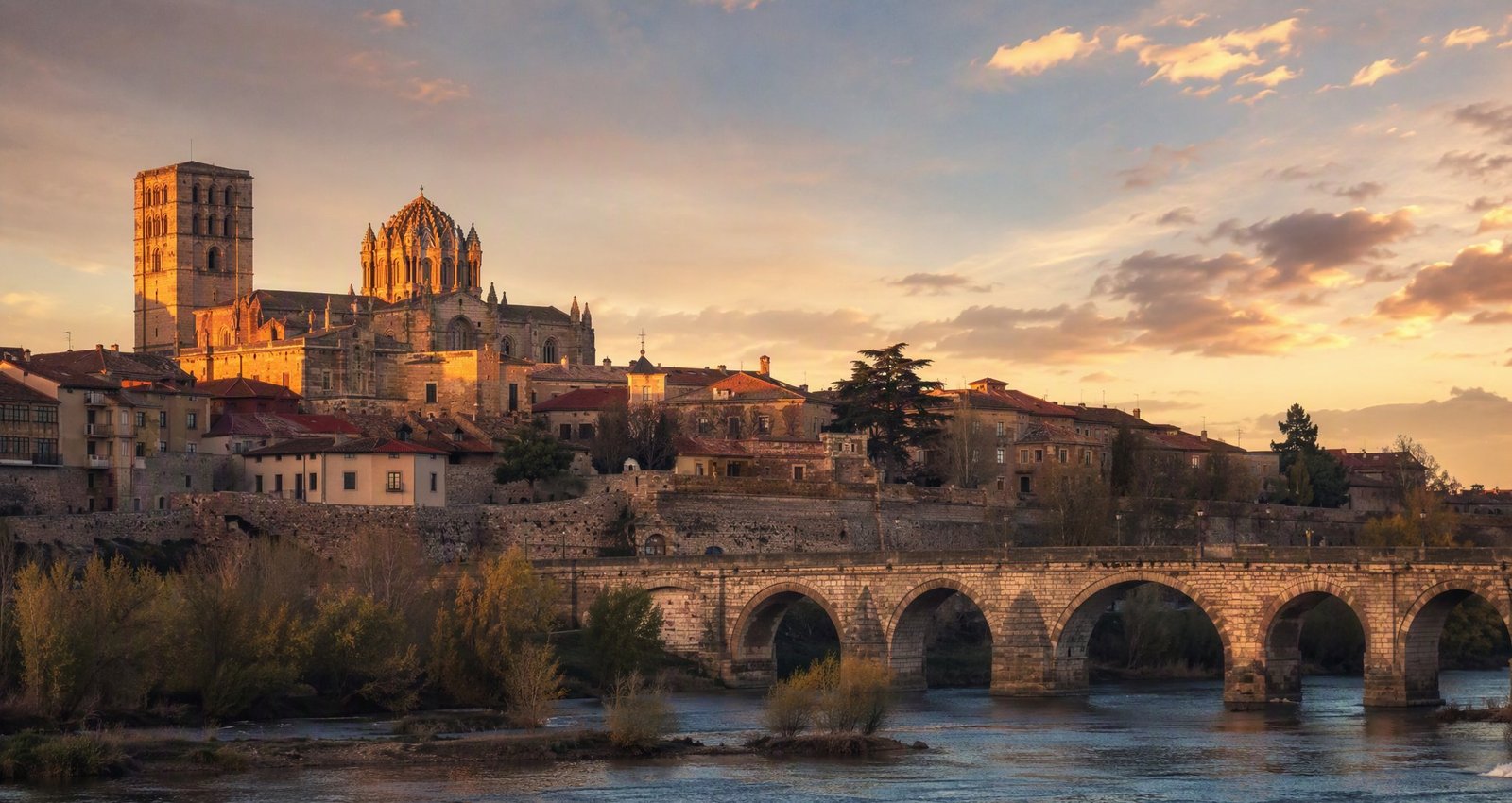
Check opening hours → 03 · FREE, AT SUNSETNo ticket, no queue, no closing ceremony — just golden stone, the Duero below and the best free sunset in Castile. Locals come here to end the day; so should you.
The weekend plan → 04 · 30 MIN EASTThe region that earned 100 Parker points for Termanthia 2004 and caught LVMH's attention. Winery visits from €14, crianza bottles from around €8.
Book a tasting → 05 · 1 H NORTH-WESTThe largest glacial lake on the Iberian Peninsula — swimmable in summer, ringed by trails, and watched over by the castle of Puebla de Sanabria.
Plan the lake day → 06 · 50 MIN WESTA river canyon Spain shares with Portugal: clifftop viewpoints, seasonal boat trips, vultures and black storks overhead. Pair it with the wolves of the Sierra de la Culebra.
See the canyon →Chasing the Iberian wolf specifically? That's a page of its own — read the honest guide to Wild Zamora before you set an alarm for dawn. Further afield: Benavente (Michelin star + the longest eclipse totality), Puebla de Sanabria (castle village) and the Vía de la Plata pilgrim route that crosses the city.
Museums & context
Ask recent visitors what surprised them most in Zamora and a remarkable number give the same answer: the Ethnographic Museum of Castilla y León. It is free, it is beautifully put together, and it explains the world the Romanesque churches and Holy Week processions came from — the shepherds, the harvests, the capas pardas. Allow a couple of hours; most people stay longer than they planned.
It also makes a smart first stop: see it before the Romanesque Mile and every carved doorway you pass afterwards will make more sense.
The Discover Zamora Letter
What's open, what's shut, what just changed. One email a month, in English, free forever.
Get the LetterRead next
City + Toro wineries + Sanabria lake, sequenced so you never backtrack. The trip done properly.
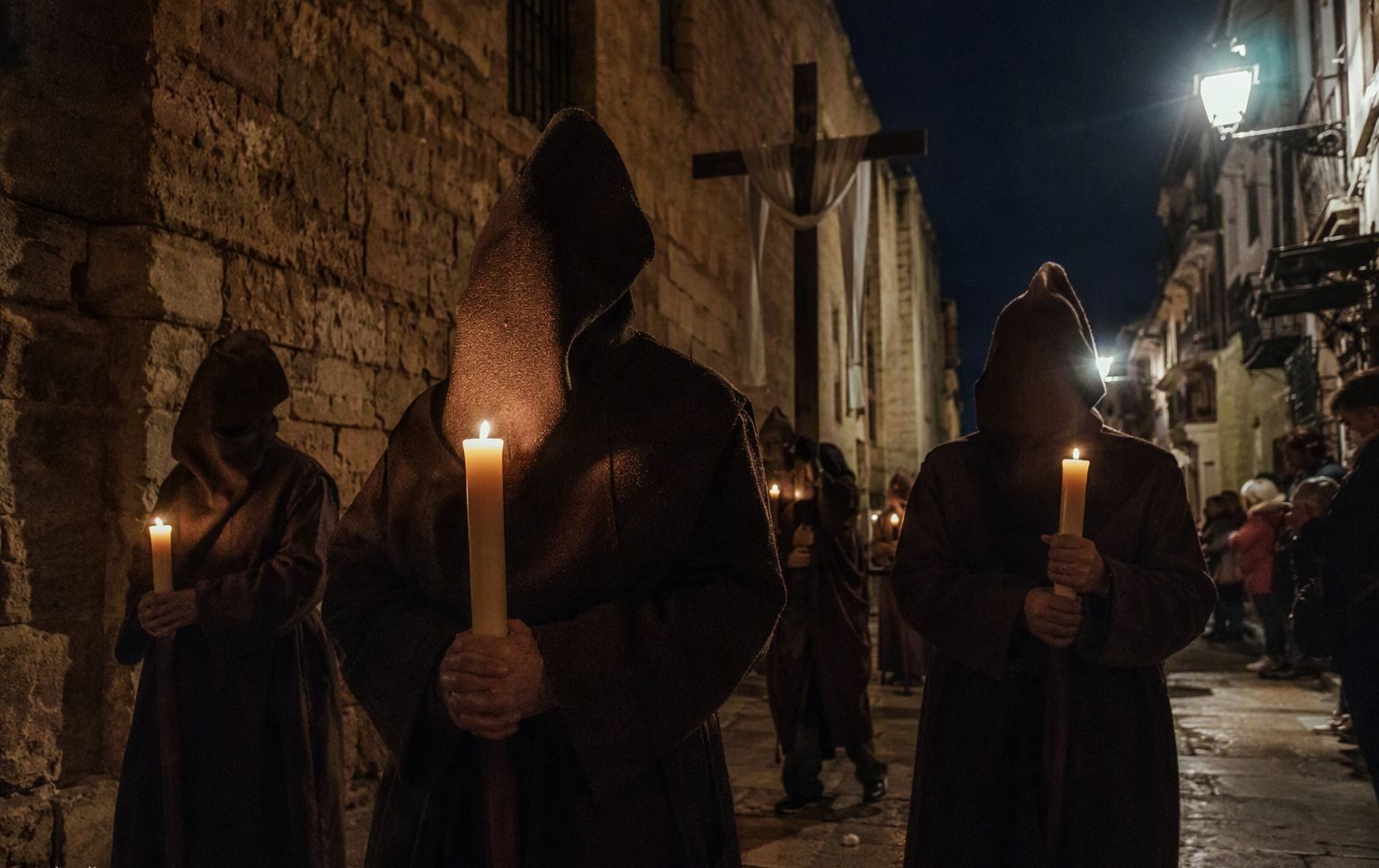
Silence, 5 a.m. drums and brotherhoods centuries old. Why 250,000 people come every year.
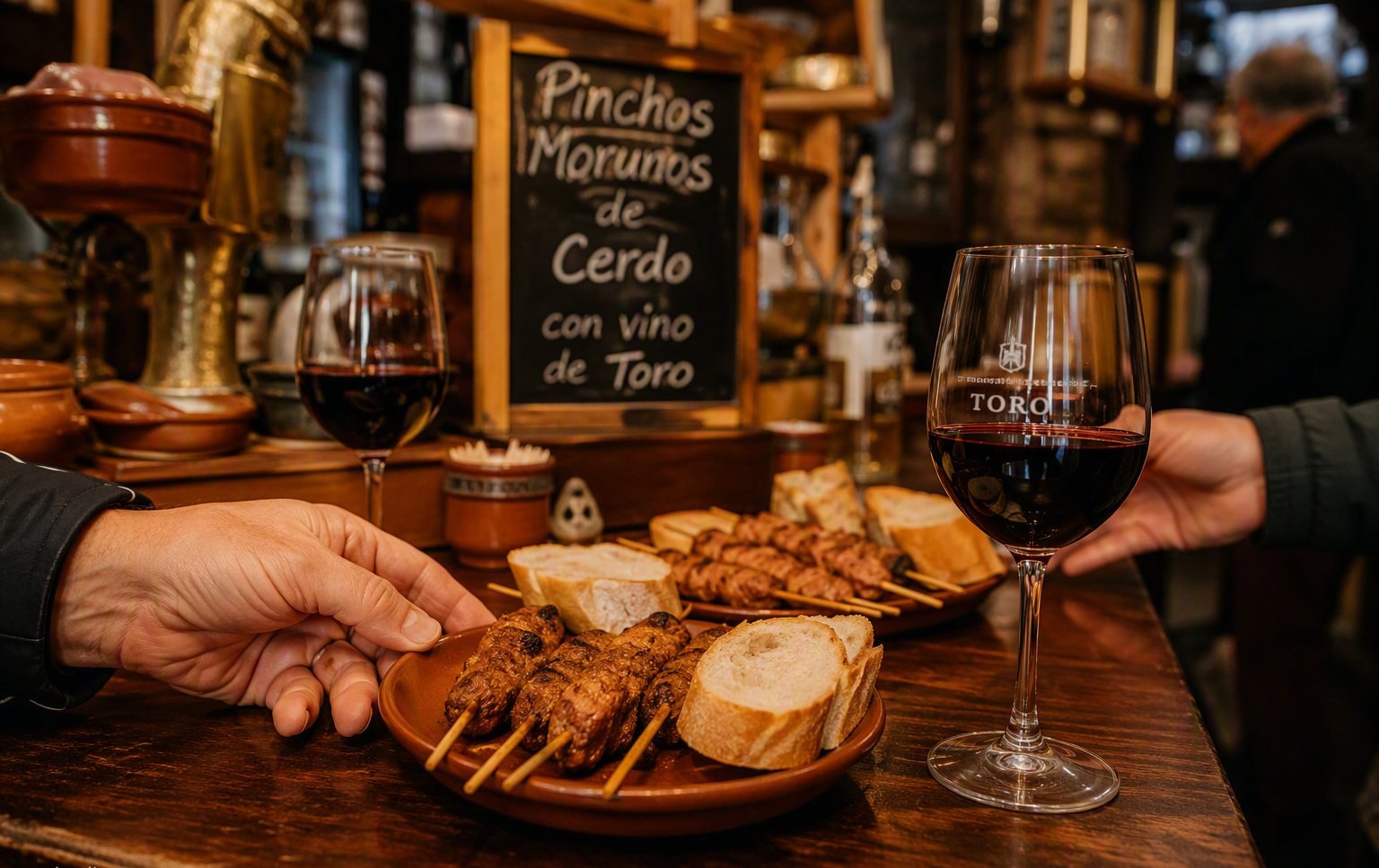
€1.10 pinchos, award-winning Zamorano cheese and 100-point reds. Arrive hungry.