What it is
Eight days when a quiet city becomes something older.
Every spring, Zamora stops being a peaceful Romanesque city and turns into the stage for one of Europe's oldest collective rituals. From Palm Sunday to Easter Sunday, the city's brotherhoods — some of them centuries old — carry sacred sculpture through the streets of the old town, day and night, in processions that can last for hours.
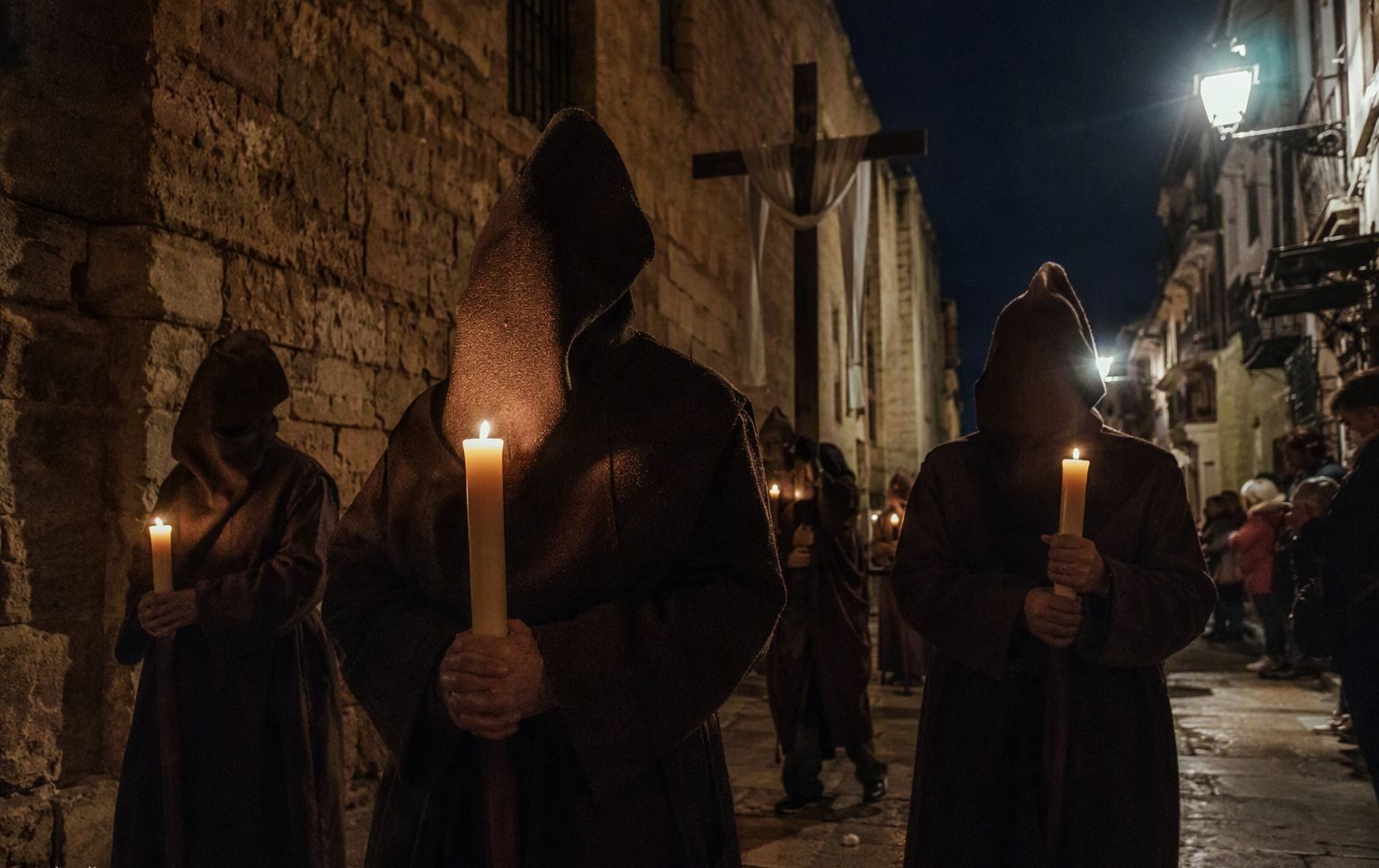
What sets Zamora apart is not scale but atmosphere. Many processions walk in near-total silence: no band, no chatter, just footsteps on medieval stone and the glow of candles. In the dark of early morning you will see the capas pardas — the "brown cloaks" — moving through the streets with their lanterns, a sight unchanged for generations. And before dawn on Maundy Thursday, hundreds of drums sound at five in the morning to wake the city, a tradition that has survived for centuries and raises the hairs on your arms even if you do not consider yourself a religious person.
You do not need to be a believer. You need to be able to stand still and feel something.
The credentials — and the paradox.
Zamora's Holy Week has been declared of International Tourist Interest since 1986. In 2015 it became the first Holy Week in all of Spain to be named a Site of Cultural Interest (BIC) — the country's highest heritage protection. Lonely Planet calls it the "best Semana Santa outside Andalucía".
Now the paradox. More than 250,000 people attend Zamora's Holy Week every year. Yet in April 2026, only 2,536 foreign tourists slept in the city's hotels. The crowds are overwhelmingly Spanish. This is a national treasure the world hasn't found yet — and you are reading one of the very few English-language guides that exist.
A national treasure the world hasn't found yet. You can still see it the way Spaniards do — before the rest of the world catches on.
The dates for 2027
In 2027, Holy Week runs from Sunday 21 March (Palm Sunday) to Sunday 28 March (Easter Sunday). The emotional peak falls on the night of Thursday 25 into Friday 26 March. If you can only come for two nights, make it those.
Closed, but not cancelled: the Museo de Semana Santa is closed for works until January 2027, with no official reopening date announced. The museum tells the story of the processions — but the processions themselves happen in the street, and that experience is fully intact. Nothing essential is lost.
The week, moment by moment
Every day has its own character. Here is how the week builds — and the moments you should not miss.
Sun 21 March · Palm Sunday
The city fills up
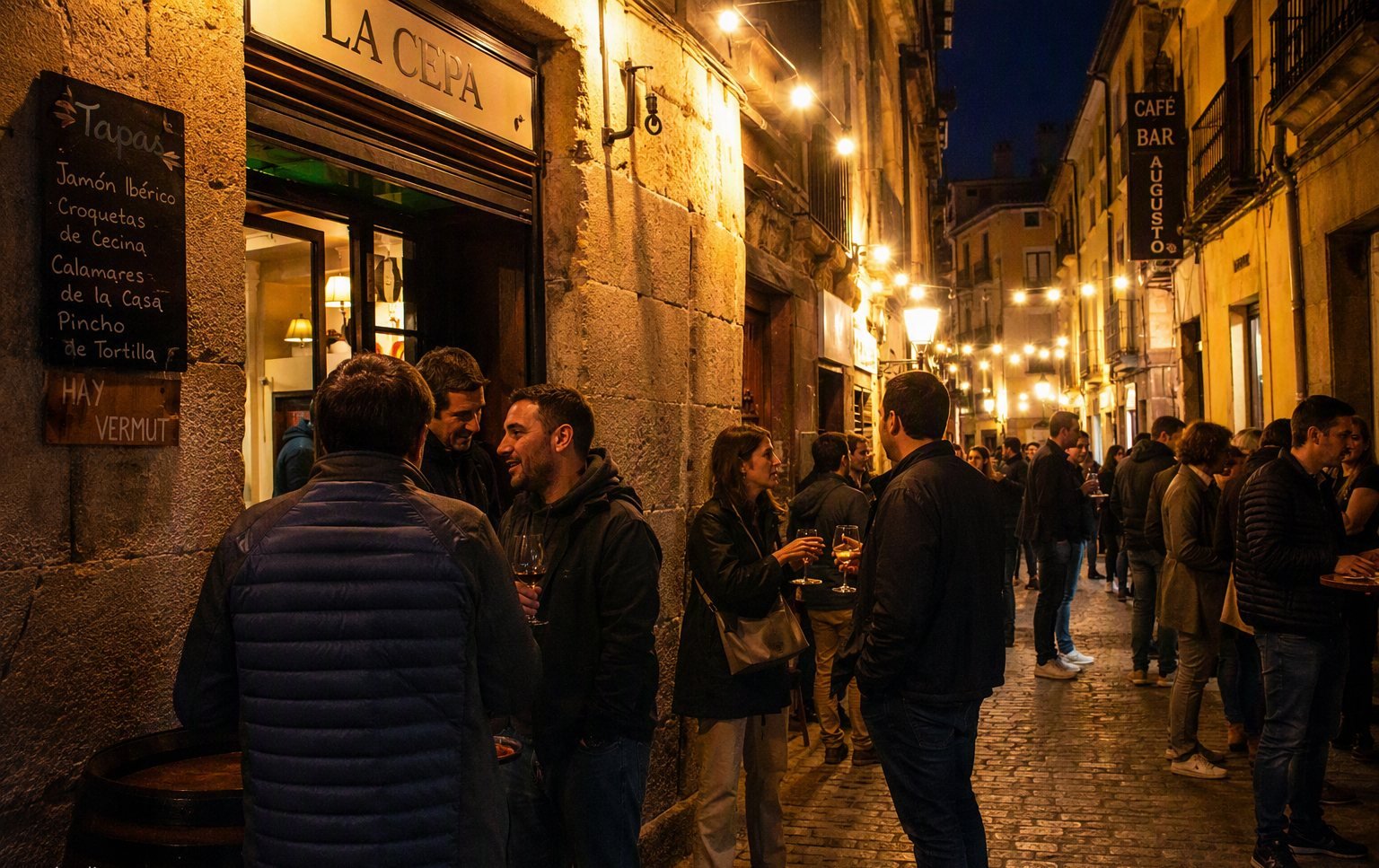
The moment: the first processions and the first crowds. Families with children carrying palms, the old town buzzing, every tapas bar full by midday. The gentlest day of the week — and your chance to learn the street layout before the big nights.
Mon 22 – Wed 24 March
The pressure rises
The moments: each evening more brotherhoods take to the streets, the candlelit routes grow longer, and the silence grows deeper. These are the connoisseurs' days — intense processions with slightly thinner crowds. Dinner late, procession after.
Fri 26 March · Good Friday
The day of silence
The moment: the most solemn processions, some moving through the city in complete silence — thousands of people, and all you hear is footsteps and the wind in the candles. This is the emotional summit of Zamora's year, the day that moves grown men to tears. Speak in a whisper. Everyone else does.
Where to stand
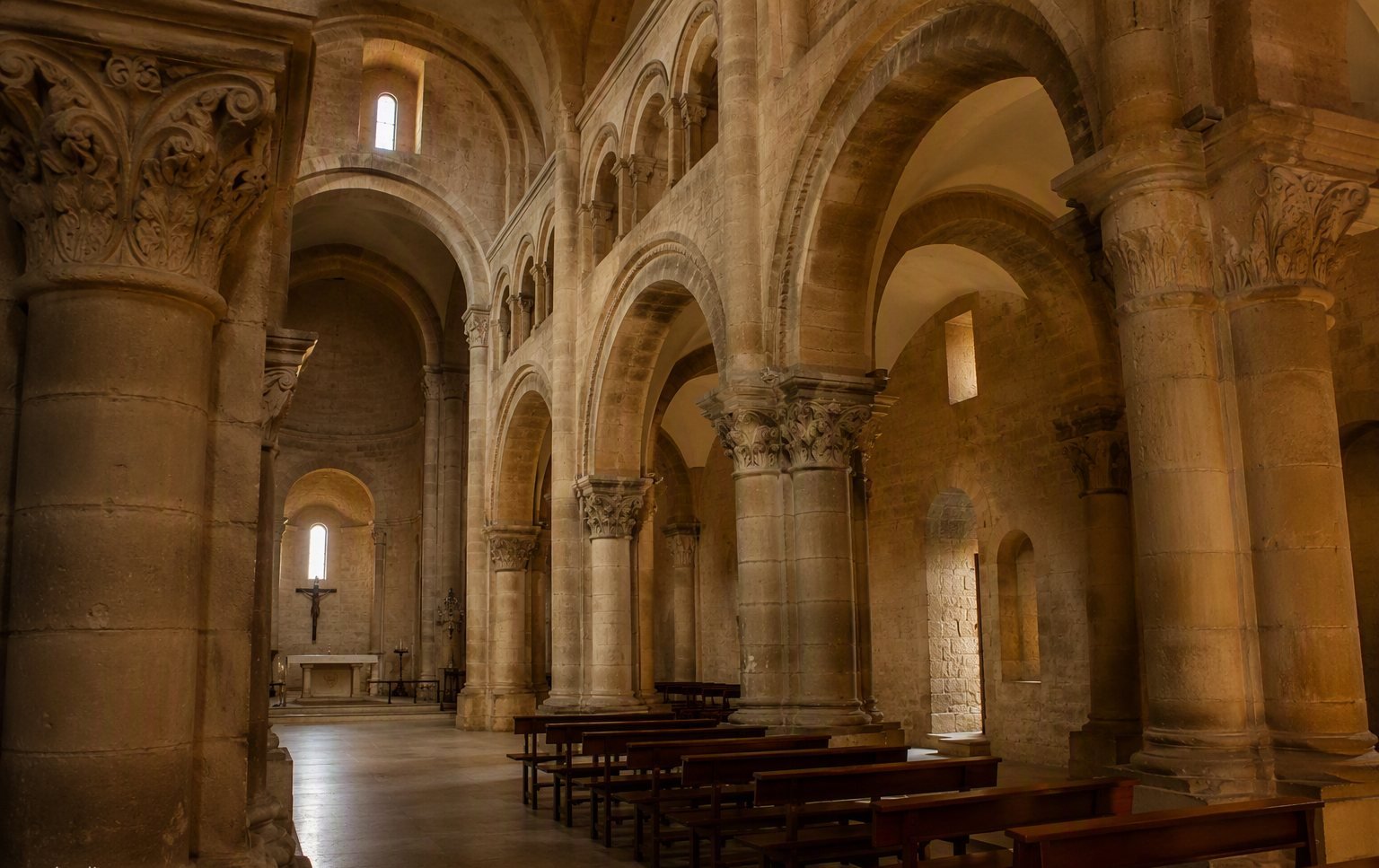
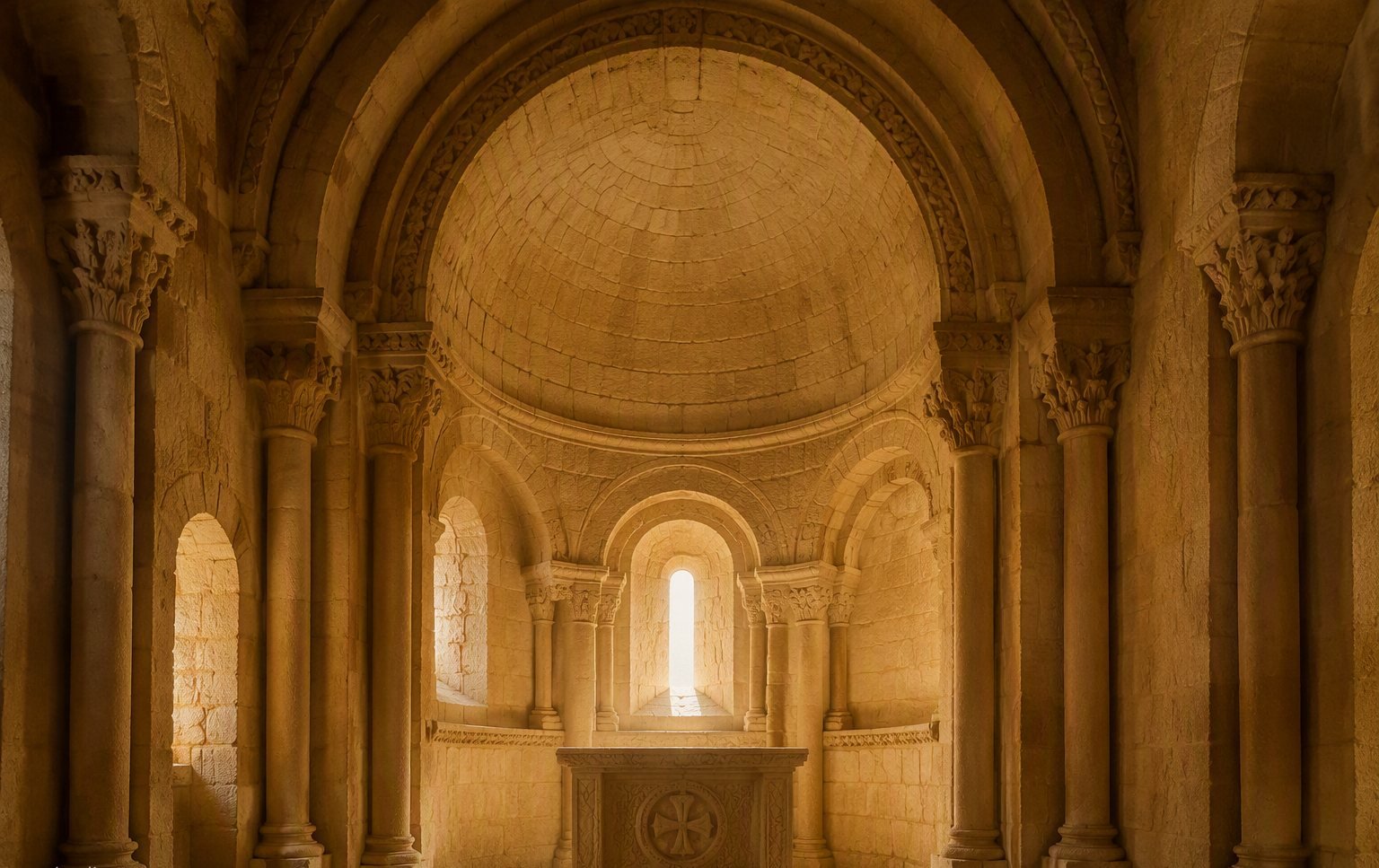
All the processions wind through the streets of the old town — the same walkable medieval centre where the 24 Romanesque churches stand. Two rules matter more than any map:
- Arrive early. For the big nights, claim your spot at least an hour ahead. The best places fill silently and completely.
- Pick a narrow street. In the tight lanes of the old town the candles, the drums and the silence are overwhelming in the best way. Wide squares dilute them.
And one etiquette note: when a procession passes in silence, be silent. Your moment of respect is part of the spectacle for everyone else.
Plan it
| Holy Week 2027 | 21–28 March |
| Peak nights | Thu 25 → Fri 26 March |
| Processions | free, in the public street |
| Accommodation | book months in advance |
| Weather | spring in Castile: bring a coat, rain is possible |
| Getting there | train Madrid-Chamartín → Zamora from 1 h 03 min, ~€14.40 |