Home›Why Zamora
One hour from Madrid, on the country's main rail artery, sits the city with the densest Romanesque old town in Europe. Almost nobody has told you about it in English. This page is the exception.
The number that explains everything
Of all the online reviews written about Zamora, only 6.7% are in English. Not because there is little to review — the cathedral alone would fill a guidebook chapter — but because the English-speaking world simply hasn't been told. There is no airport funnel, no cruise terminal, no coach-park economy. Just a working Castilian city that kept its treasures and forgot to advertise them.
For you, that number is not a warning. It is an invitation. It means €1.10 pinchos priced for locals, not for tourists. It means hotel rooms at 4-star rates that would be a rounding error in London or Dublin. And it means you can stand inside a 12th-century church on a Saturday morning and hear nothing but your own footsteps.
The Romanesque capital
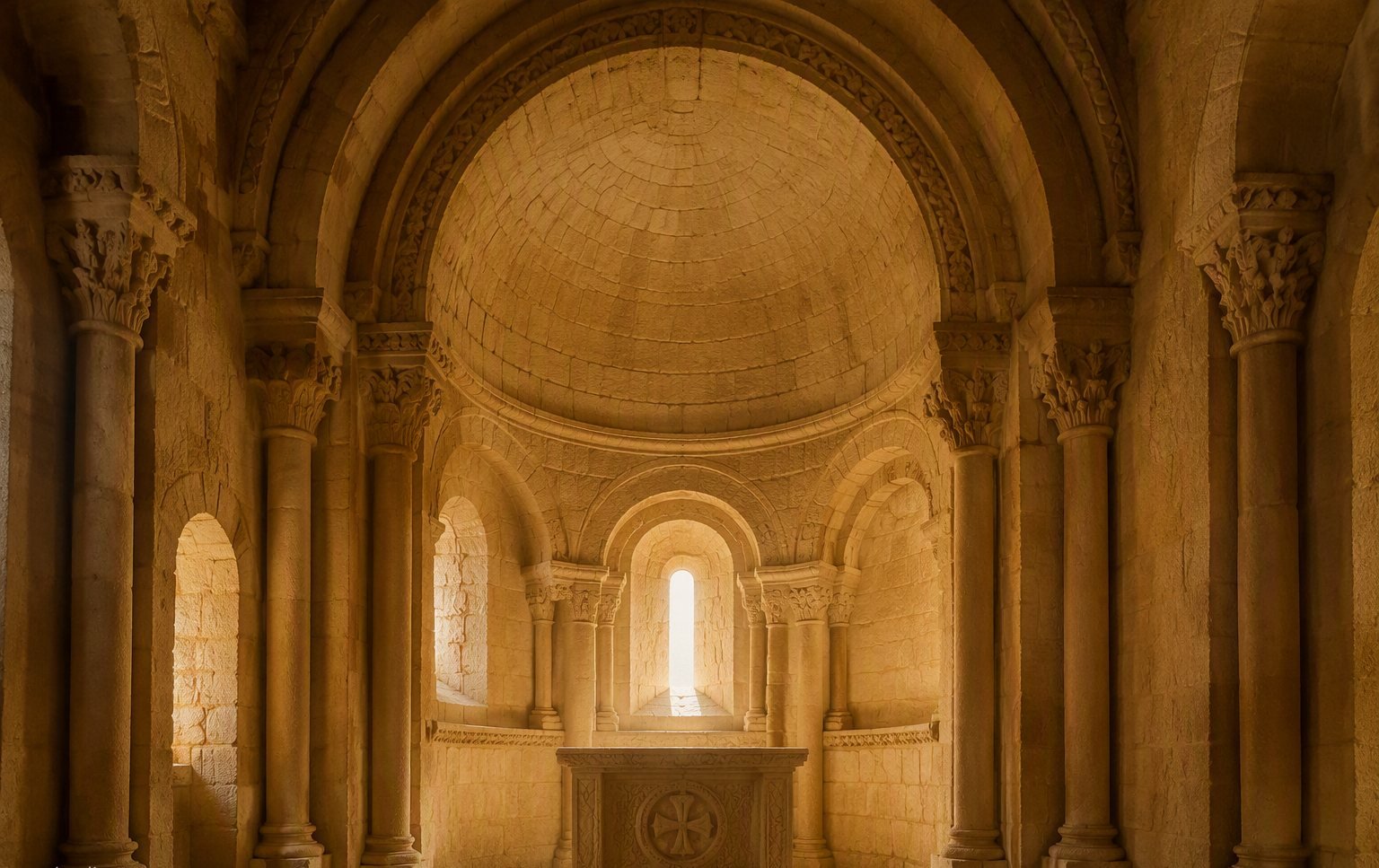
Zamora's old town holds 24 Romanesque churches — the highest concentration in Europe. The "Romanesque Mile" route links 12 of them on a single €6 joint ticket that already draws more than 150,000 visitors a year, almost none of whom you will hear speaking English.
Above them all rises the cathedral's Byzantine dome — the cimborrio, a tiled fish-scale cupola with no equivalent on the pilgrimage routes. The castle and the city walls are free, and the stone bridge over the Duero has been carrying travellers since the Middle Ages. You can see the essentials in a day; you will want more.
One perfect day in Zamora
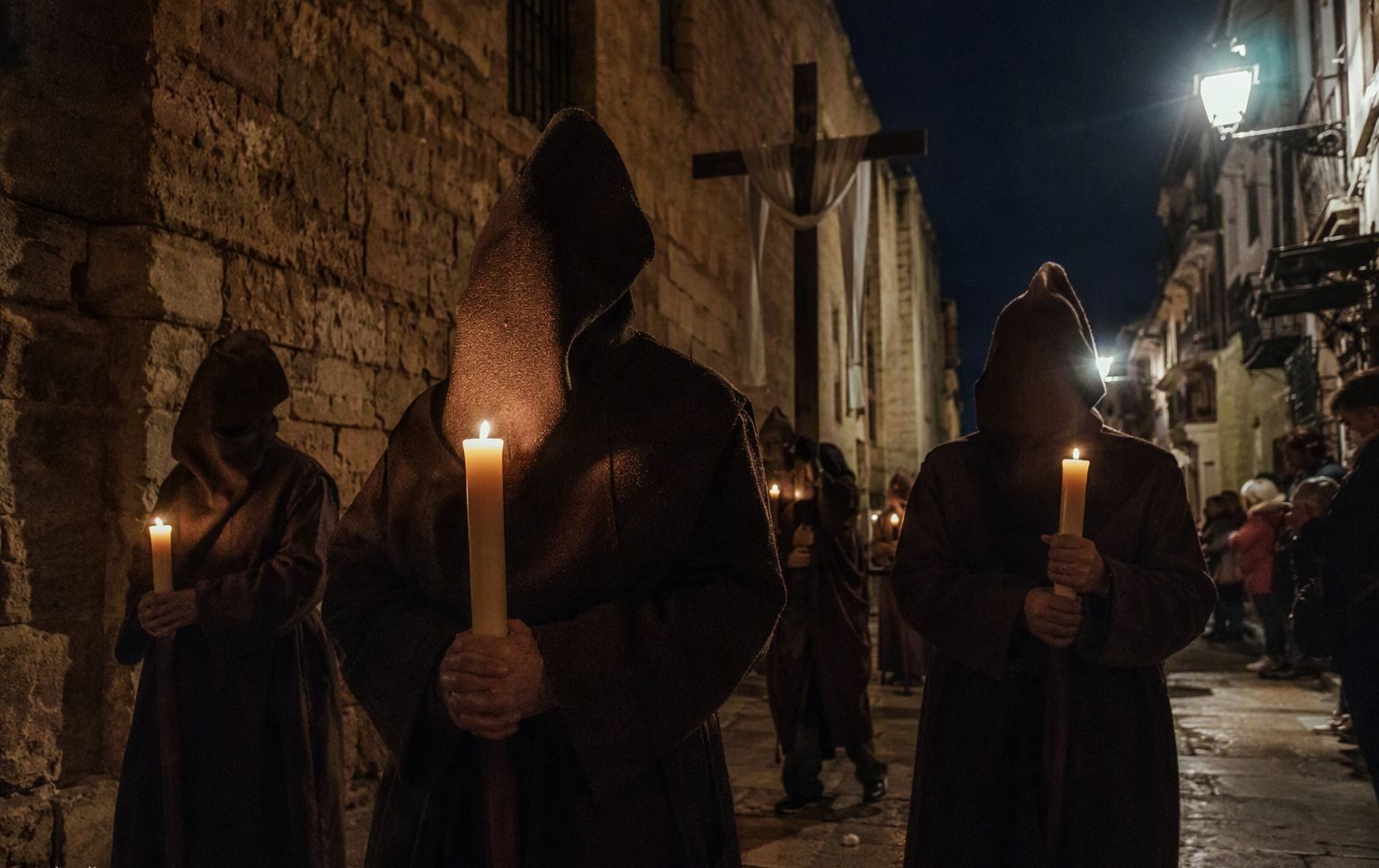
Semana Santa · since 1986 · International Tourist Interest
Lonely Planet calls it the best Semana Santa outside Andalucía. It was the first in Spain declared a Site of Cultural Interest (2015), and over 250,000 people come each year for the candlelit silence, the 5 a.m. drum call that has woken the city for centuries, and brotherhoods older than many nations.
And yet in April 2026 only 2,536 foreign tourists slept in Zamora's hotels. The most moving week of the Spanish calendar is happening in front of an almost entirely Spanish audience. That window will not stay open forever.
The English guide to Holy WeekThe value argument
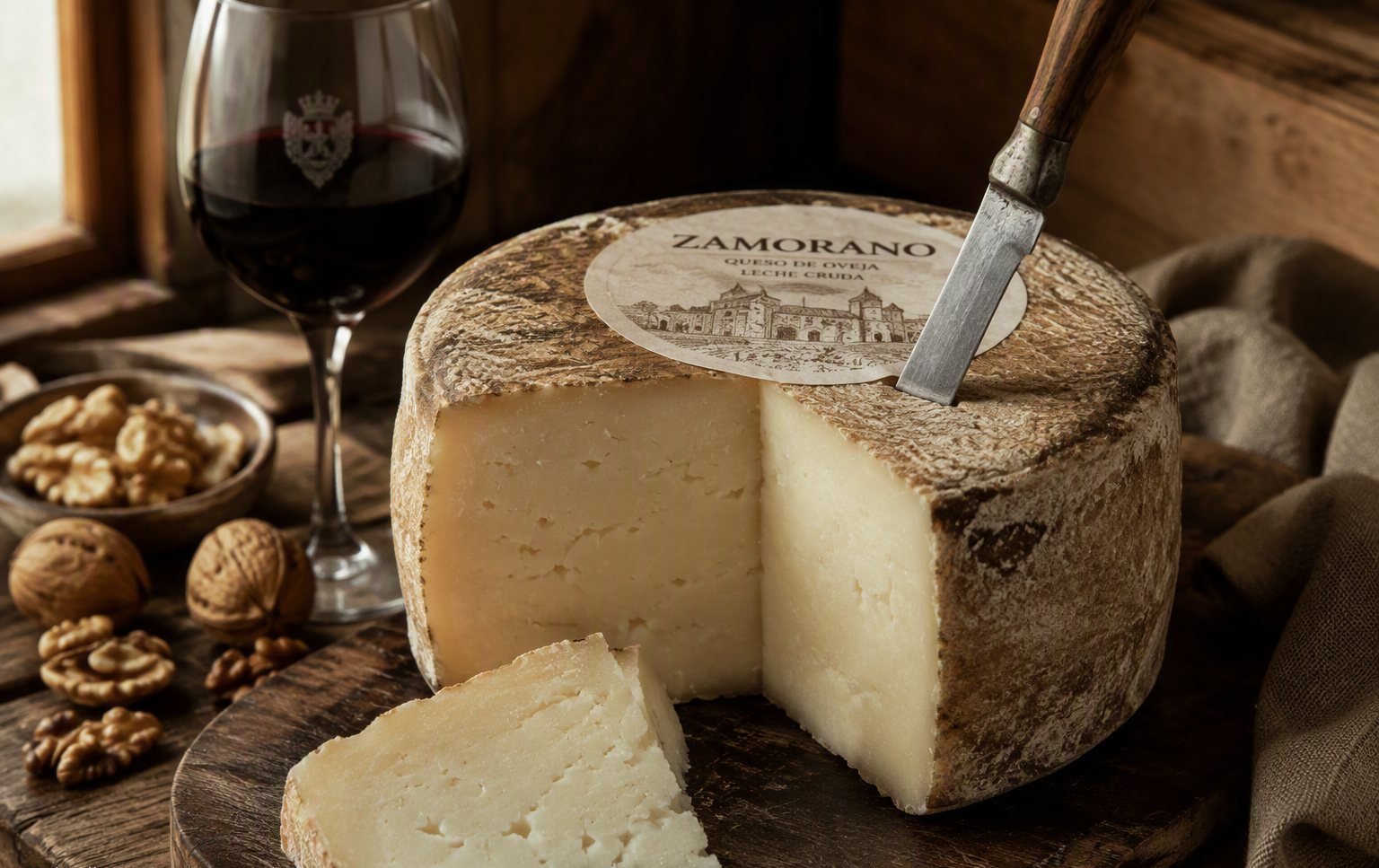
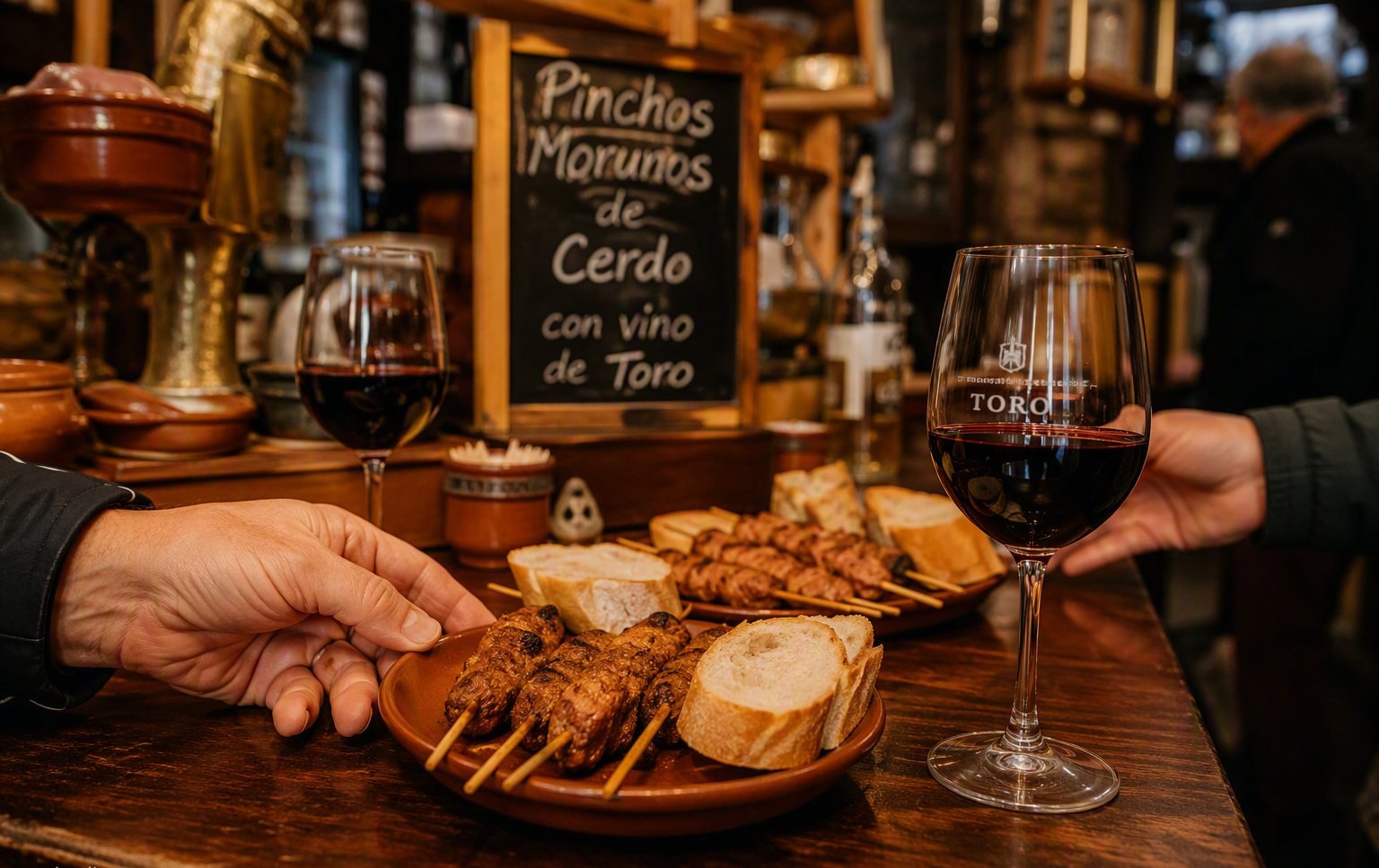
The average British traveller spends ~€176 per day in Spain; the average American, ~€274. In Zamora a full tapas dinner with Toro wine runs €20–30 a head, a pincho moruno costs €1.10, a wedge of World Cheese Awards Gold-winning Zamorano DOP arrives as a €3 tapa — the same cheese that sells for up to $27 a quarter-kilo in American gourmet shops — and a bottle of Toro crianza starts around €8. Two Michelin stars shine in the province; nobody is queueing for them.
Why now, specifically
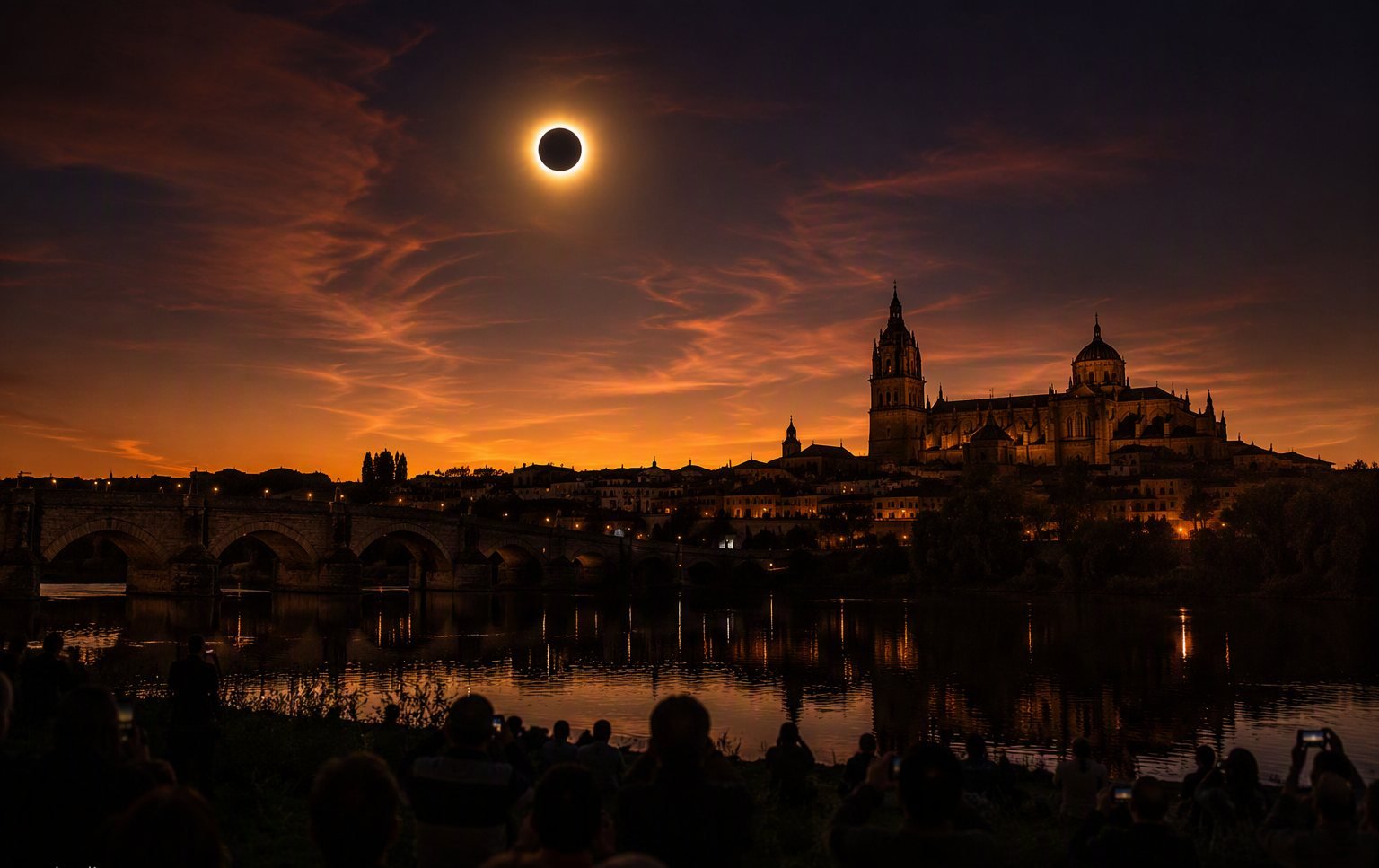
Zamora is entering a rare three-act window. On 12 August 2026 the city sits in the path of mainland Spain's first total solar eclipse since 1912 — totality at sunset, 20–37 seconds of midday-dark sky over the Duero. Then comes Holy Week 2027: the Museo de Semana Santa, closed for works until January 2027, is expected to reopen and anchor the celebrations. From 2027 onwards, the city's story gets easier to tell — and easier to find.
The people who come before that curve are the ones who get to say they saw it first. Travellers, not tourists. That is the only kind of reader this site is written for.
Go deeper
What 6.7% of English reviews really means — and why it's your opportunity, not your risk.
Read the story → THE PLANSOne perfect day, a weekend, or three nights done properly. Pick your depth.
Choose your trip → THE SPECTACLECandlelit silence, drums at 5 a.m., brotherhoods centuries old. Understand it before you go.
Understand it → THE TABLE100-point Toro reds, award-winning cheese, €1.10 pinchos. Spain's best-value table.
Eat your way in →One email a month: what's opening, what's closing, eclipse updates, Holy Week dates and one local secret per issue. In English. Free forever.
Subscribe to The LetterRead next
The story behind the 6.7% figure — and what it means for your trip.
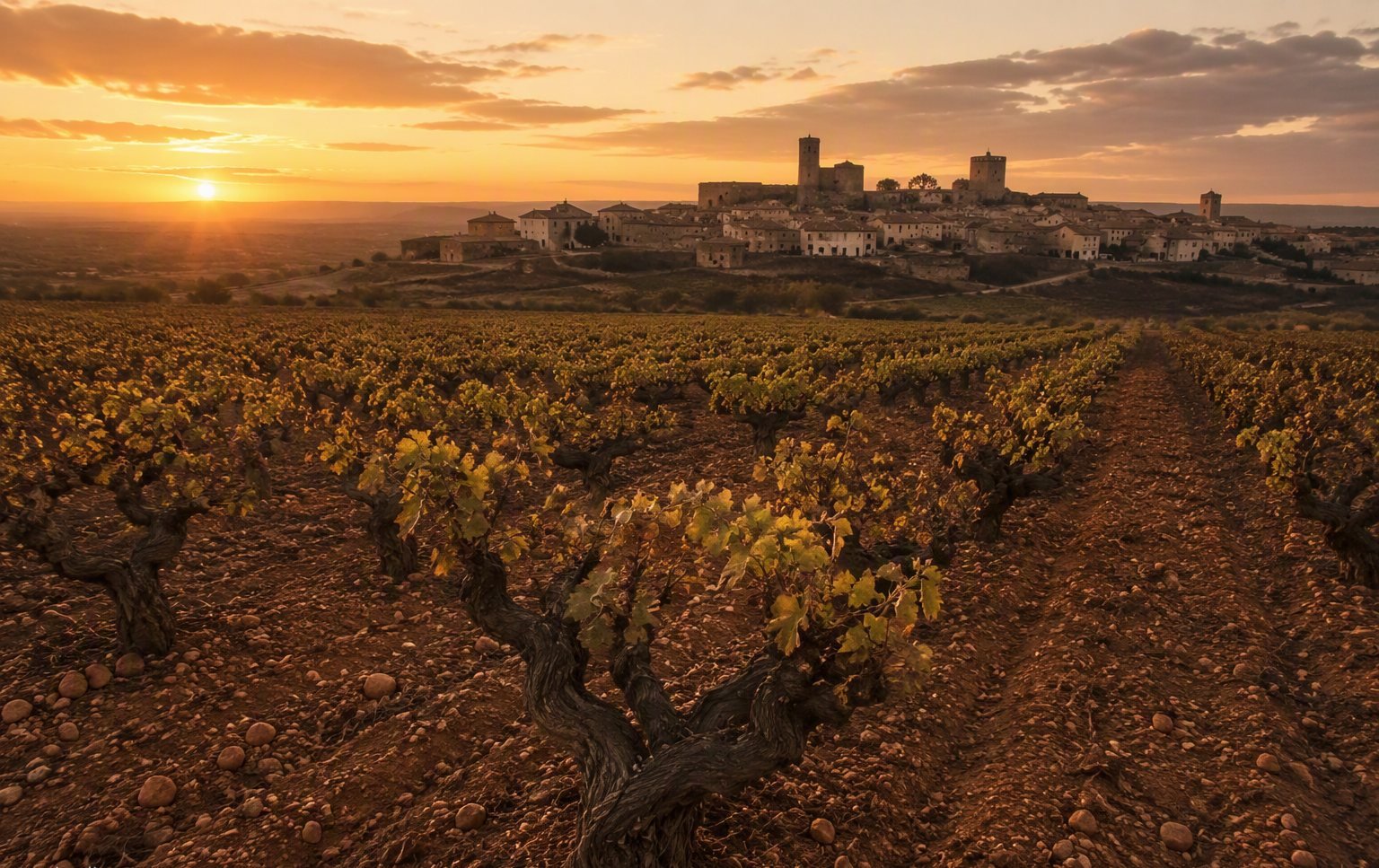
City, Toro wineries, Sanabria or the Arribes — and a farewell sunset.
Where to stand, where to sleep, and why the timing could not be better.