Why 2027, why now
The early mover's advantage.
In 2027, Zamora's Holy Week runs from Sunday 21 March to Sunday 28 March. It has been declared of International Tourist Interest since 1986, and in 2015 it became the first Holy Week in Spain to be named a Site of Cultural Interest (BIC). More than 250,000 people fill these streets every year.
And yet: in April 2026, only 2,536 foreign tourists slept in Zamora's hotels. Read that again. A quarter of a million attendees, and the crowd is almost entirely Spanish. The English-speaking world has not found this yet. If you come in 2027, you will not be following the crowd — you will be ahead of it. That window will not stay open forever.
New to Zamora's Holy Week? Read our full introduction first — and if the pointed hoods give you pause, this explainer will change how you see them. Then come back here for the plan.
The week, day by day
Each day of Holy Week has its own temperature. Here is how 2027 builds, and the moments you should plan around.
Times are approximate and confirmed by the brotherhoods each year — we update this page as 2027 schedules are published.
Sun 21 March · Palm Sunday
The entry processions
The morning: the first brotherhoods enter the city with their images, palms in every hand, the old town filling up around them. The gentlest day of the week — use it to learn the street layout, pick your future vantage points and eat well. By midday every tapas bar is full.
Mon 22 March
The rhythm sets in
Afternoon into night: evening processions through the old town. The crowds are still manageable, the candles are lit, and the city's weekly heartbeat begins. Dinner late, procession after — that is the local pattern; adopt it from day one.
Tue 23 March
The connoisseur's day
Afternoon into night: more brotherhoods, longer candlelit routes, and the silence growing deeper each evening. Regulars will tell you these midweek nights are the secret of the week: full intensity, slightly thinner crowds.
Wed 24 March · The night of Las Capas Pardas
Dark habits, candles, absolute silence
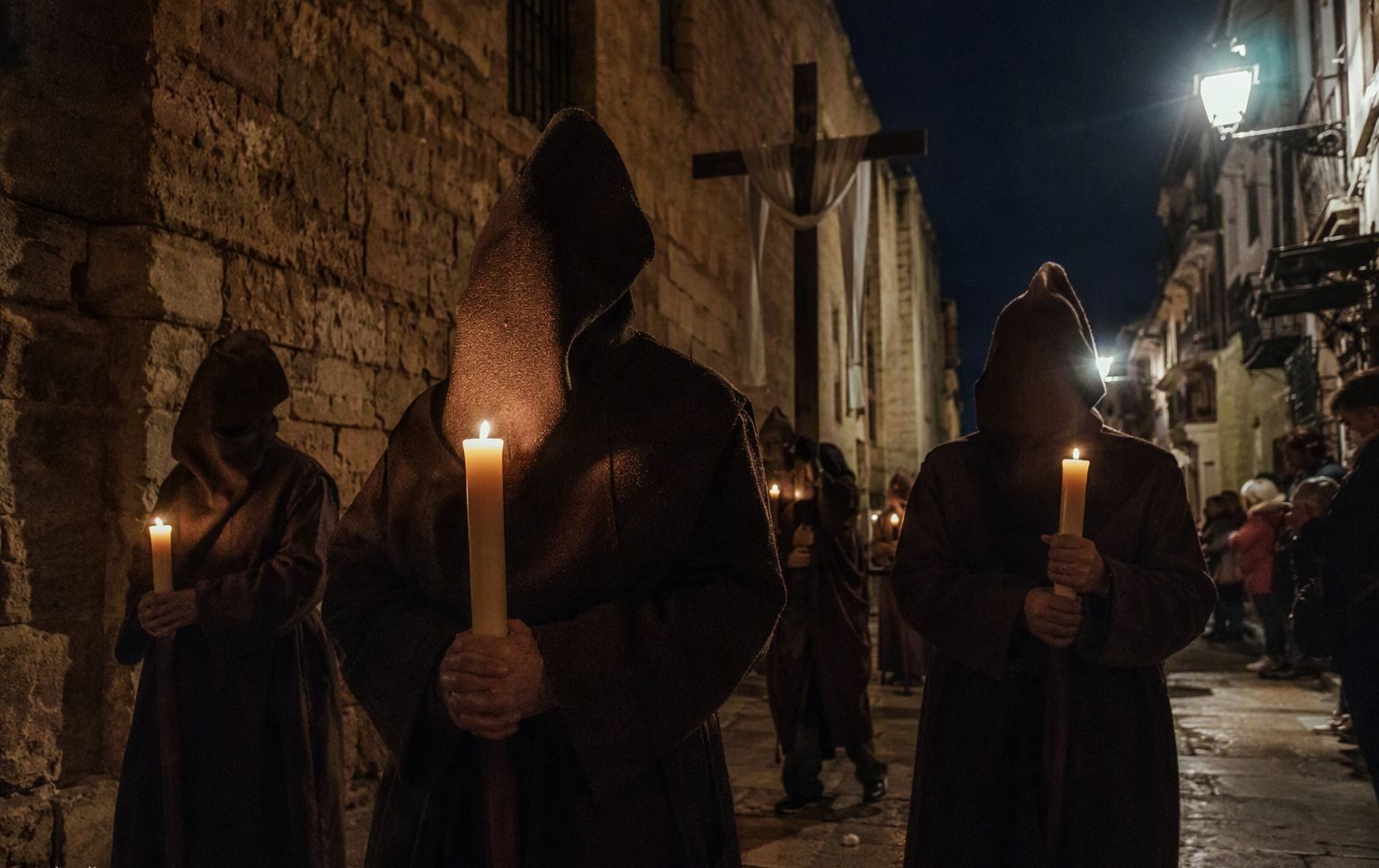
The night: the procession of Las Capas Pardas — the "brown cloaks". Dark habits, candle flames, and a silence so complete you will hear the wax gutter. One of the summit moments of the entire week, and the image of Zamora you will carry home. Find a narrow street, arrive early, and do not speak.
Thu 25 March · Maundy Thursday
Drums at five in the morning
Before dawn: the tamborada. At 5 a.m., drums sound through the dark streets to wake the city for its most sacred day — a tradition that has held for centuries. Set the alarm, wear your coat, stand in the street. When the first drum rolls in the black of the morning, you will understand why people plan their whole year around this week. The day and night that follow are among the most crowded of 2027.
Fri 26 March · Good Friday
The day of the great silence
At dawn: the Merlú. In the Plaza Mayor, in the first light of Good Friday, the brotherhoods gather at daybreak — one of the most singular moments of the Spanish year, and one almost no foreigner has ever seen. Then the day itself: the most solemn processions, moving through the city in complete silence. Thousands of people; all you hear is footsteps and the wind in the candles. The emotional summit of Zamora's 2027.
Sat 27 March
The transition
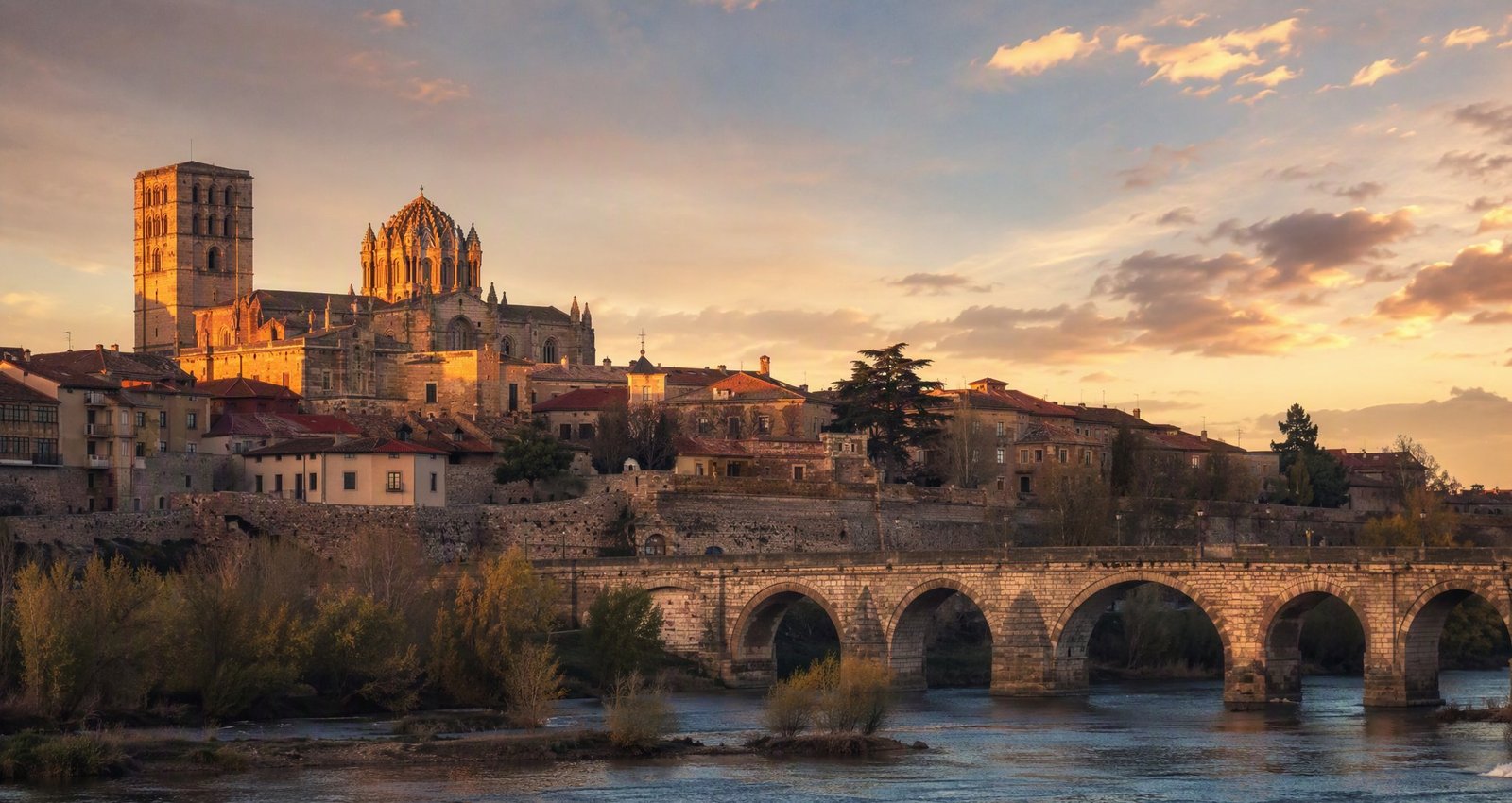
The day: a quieter, transitional day after the intensity of Thursday and Friday. The city breathes. Use it the way locals do — long lunch, a walk along the Duero, an early night — and save your energy for the finale.
Sun 28 March · Easter Sunday
The joyful release
The morning: the Resurrection procession — the week's joyful closing act. Bells instead of silence, light instead of candles, and a city collectively exhaling over long Sunday lunches. If you have done the week properly, this is the morning you start planning your return.
Holy Week 2027 logistics
| Dates | Sunday 21 – Sunday 28 March 2027 |
| Accommodation | book months ahead — 250,000+ attendees |
| Getting there | train Madrid-Chamartín → Zamora from 1 h 03 min, ~€14.40 |
| Weather | late March in Castile: bring a warm coat; rain is possible |
| Where to stand | the old town; arrive early at passing points, pick narrow streets |
| Processions | free, in the public street |
One door may reopen for 2027: the Museo de Semana Santa — the museum that tells the story of the processions — is closed for works until January 2027. It could reopen in time for Holy Week 2027, but no official date has been announced. Check
what's open today closer to the date. Either way, the essential experience happens in the street, and that is fully intact.