First things first
What you are actually looking at
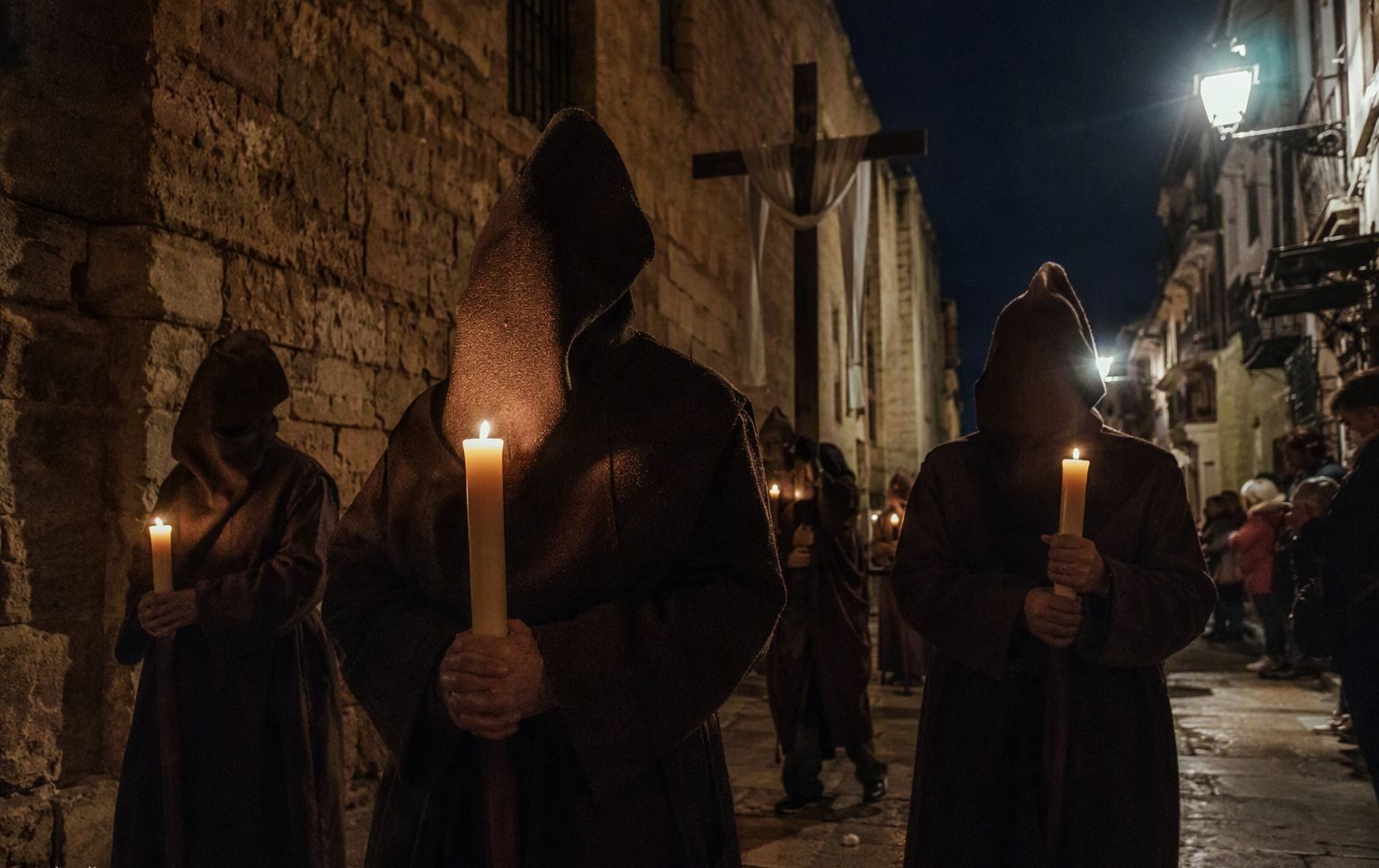
The pointed hood is called a capirote, and it is a medieval garment of penance. It is roughly four centuries older than the association your brain just made. Spanish penitents were wearing capirotes in public processions long before the Ku Klux Klan existed — and long before anyone in Zamora had reason to imagine that a piece of their religious dress would one day be misread by visitors from across the Atlantic.
The resemblance is a coincidence of design, not a connection of meaning. There is no shared history, no common root, no borrowing in either direction. Two garments, two continents, two purposes that are close to opposites.
Why the face is hidden
In Zamora, covering your face is not about threatening anyone — it is about disappearing. The people inside the robes are penitents: ordinary citizens — bakers, teachers, grandparents — performing an act of contrition. The point of hiding the face is to ask forgiveness without protagonism: the penance belongs to the person, not to their public identity. Nobody in the crowd is supposed to know who is beneath the hood. That anonymity is the entire spiritual logic of the garment.
Once you understand that, the image inverts. What looked like a uniform of menace is, in context, a uniform of humility.
Where it comes from
Zamora's brotherhoods (cofradías) go back to the Middle Ages, and their Holy Week processions have walked these same stone streets for centuries. The tradition is so deeply rooted that in 2015 Zamora's Semana Santa became the first Holy Week in Spain to be declared a Site of Cultural Interest — the country's highest heritage distinction, normally reserved for monuments, not living traditions. It has held International Tourist Interest status since 1986.
This is not folklore performed for visitors. It is a city's own ritual, kept alive by its own people, which visitors are permitted to witness. That distinction matters, and you will feel it in the street.
Why the misunderstanding is understandable
If you grew up in the UK, Ireland or the United States, the pointed white hood carries one of the heaviest meanings in your visual culture. Seeing it walk towards you out of the dark, in a crowd, at candlelight, can be genuinely jarring. Nobody should pretend otherwise, and Zamorans who know their visitors don't.
But the misunderstanding dissolves the moment you have two facts: the garment is four centuries older than the association, and its purpose is anonymous penance, not public intimidation. That is why this page exists. Not to scold you for what your eyes saw — but to hand you the key that unlocks what you are about to feel.
The hood that hides a face in Zamora is not saying "fear me". It is saying "don't look at me — this is between me and God."
What you will actually feel
Forget the hoods for a moment, because during a procession they quickly stop being the point. What stays with you is this:
- The silence. Thousands of people lining a medieval street, and you can hear a single candle gutter. When a silent procession passes, the whole city holds its breath with you.
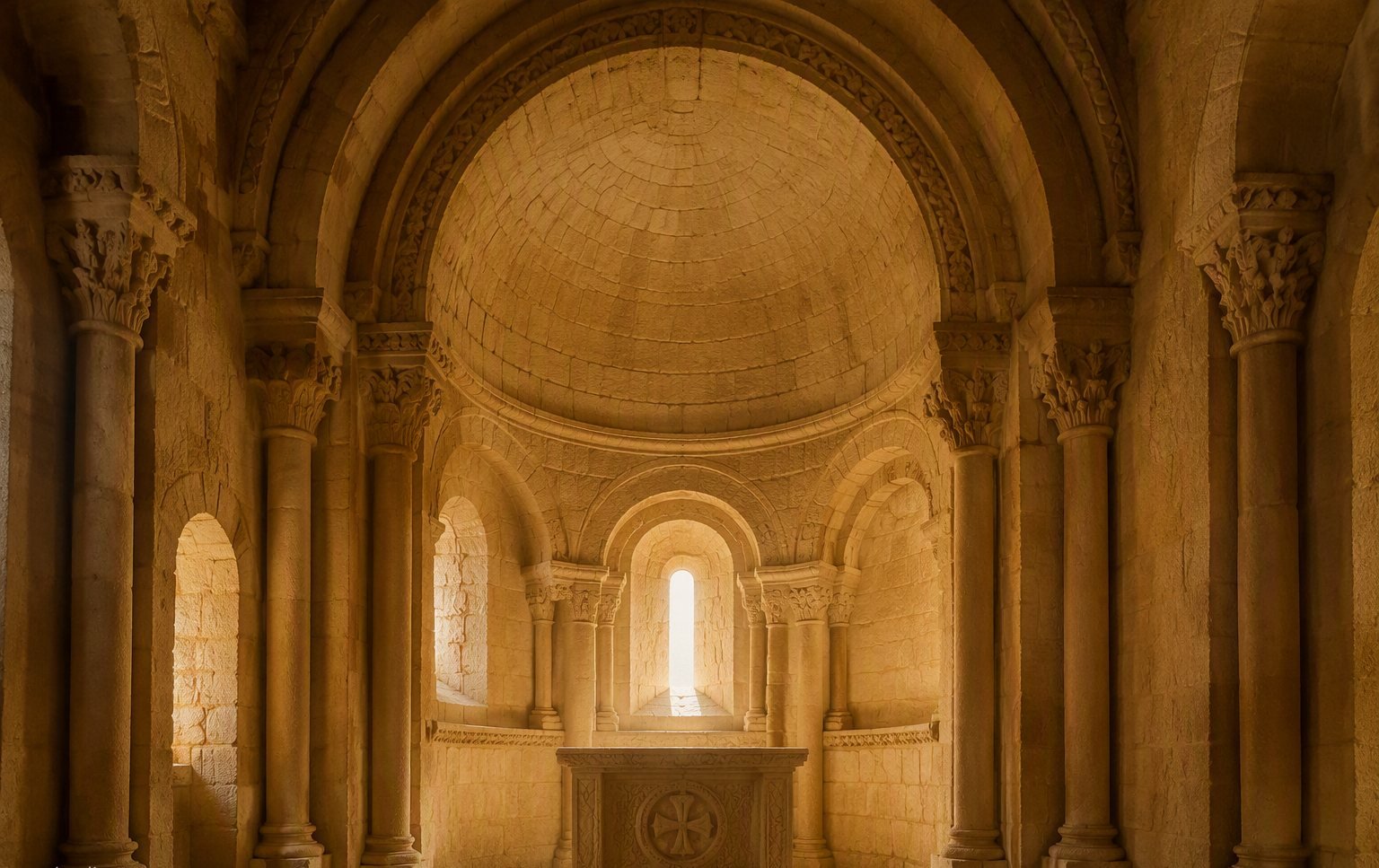
- The candles. Hundreds of flames moving slowly through streets that have barely changed in 800 years, their light catching golden Romanesque stone.
- The drums. Before dawn on Maundy Thursday, at five in the morning, the tamborada sounds through the dark — a call that is centuries old and physically vibrates in your chest.
People who arrived slightly uncomfortable leave slightly changed. That is not marketing; that is what 250,000 attendees a year keep coming back for.
The last word
Come to Zamora's Holy Week. Look at the hoods with your new eyes. And when the street falls silent and the candles pass, you will understand that the garment you feared was never about you at all — it was about a person, in the dark, quietly asking to be forgiven. There are few more human sights left in Europe.
Now read the full Holy Week guide: dates, moments and where to stand →